

JOIN US LIVE IN:
From Concept to Classroom
Experience Concept-Based Learning in Action
Why strong Concept-Based planning doesn’t always translate into classroom practice, and what it looks like when it does.
Join us live online: May 9, 2026 6am - 10 am UTC.
FREE
4-HOUR
VIRTUAL
SUMMIT
Many schools have invested significant time in developing concept-based units.
Central ideas are in place.
Key and related concepts are identified.
The language is shared across teams.
And yet, a common challenge remains:
Classroom practice doesn’t always reflect the intent of the planning
Implementation varies across departments and teams
The impact on student thinking is not as deep or consistent as expected
This is not unusual.
The difficulty is not in writing concept-based units.
It is in translating them into high-quality classroom practice.
LIVE OPPORTUNITY
Experience what CBCI looks like in practice
This session is designed to address a simple but critical question:
What does Concept-Based learning actually look like when it is working well in classrooms?
Rather than focusing on frameworks or theory, this event provides an opportunity to:
✔ Observe real classroom practice
✔ Examine the pedagogical choices behind it
✔ Experience Concept-Based learning from the learner’s perspective


What you'll learn
Structure of the Experience
This is a live, interactive session (no recording available).
It has been designed as a sequence of experiences:
Reframing Key Misconceptions
Observing Classroom Practice
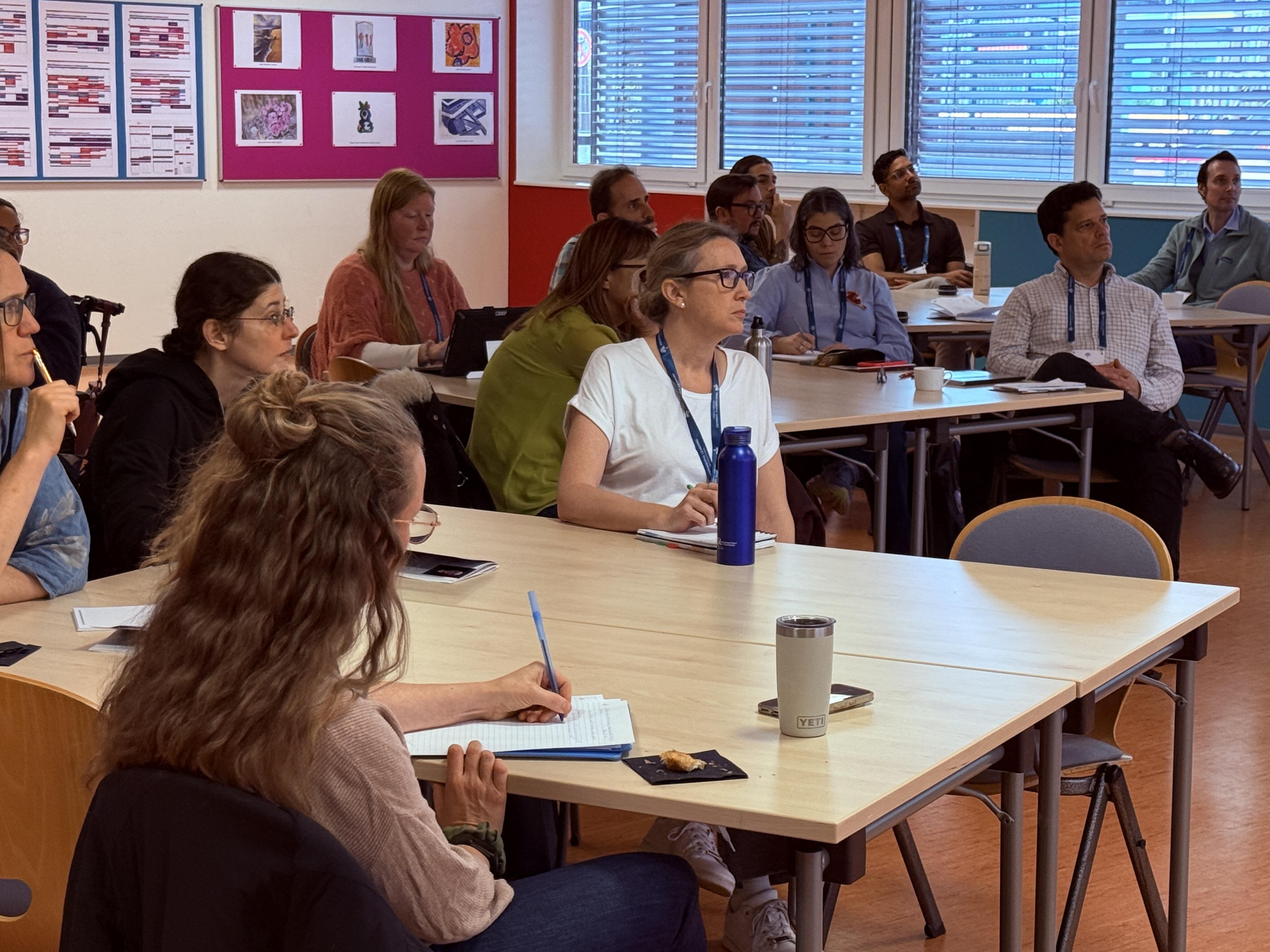
Participating in a Live Lesson
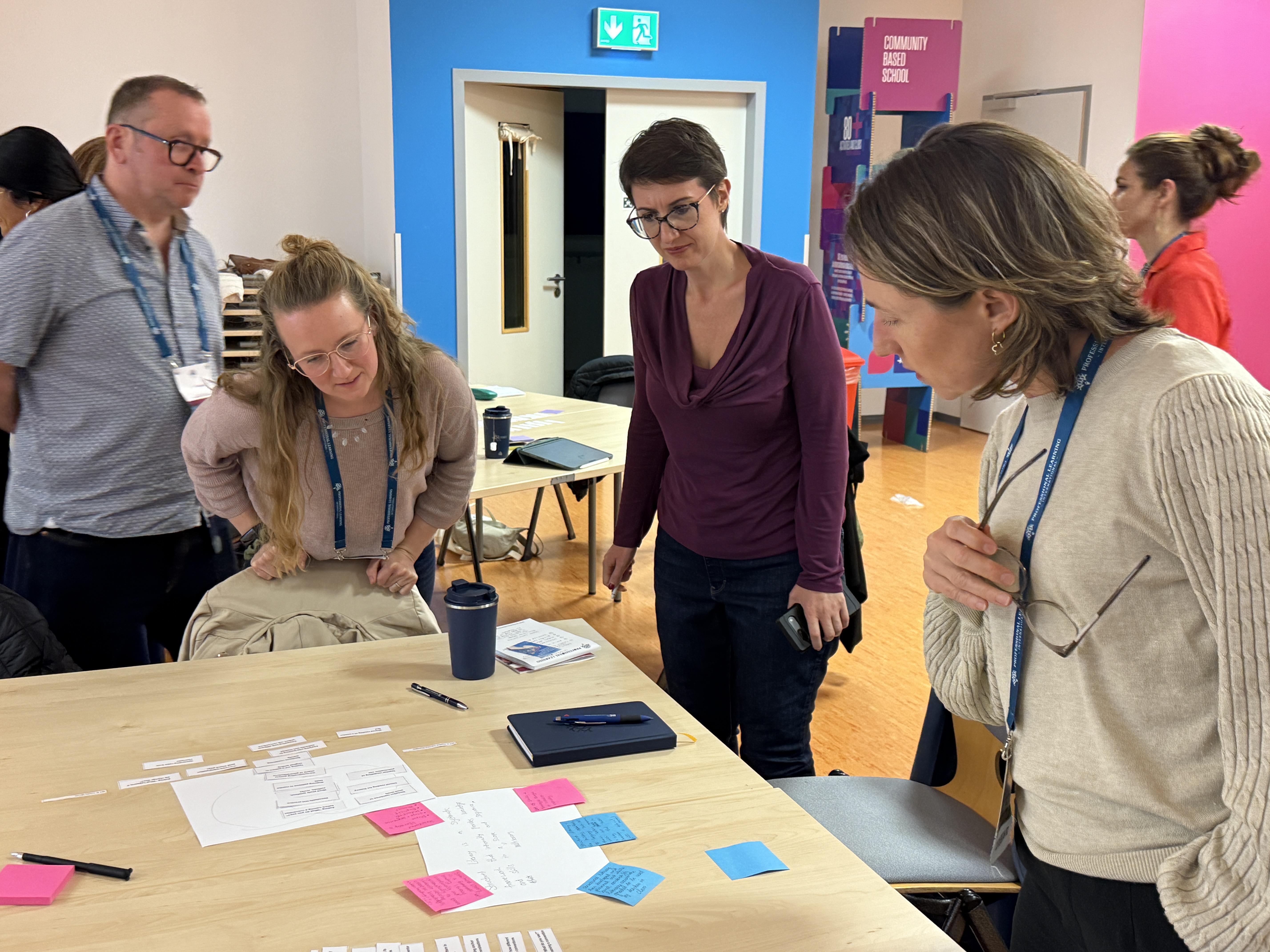
Event Agenda
Experience Concept-Based Learning in Action
KEYNOTE 6 am UTC
Rachel French

The 3 Misconceptions About Concept-Based Learning
Why do many concept-based initiatives remain at a surface level?
This keynote will explore three common misconceptions that limit impact and clarify what distinguishes high-quality concept-based teaching in practice.
VIRTUAL CLASSROOM VISIT 7:00 am UTC
Rob Nolan

Shaping a Reader's Perception of a Subject
In this Grade 5 lesson, Rob Nolan explores the question:
How can a writer shape a reader’s perception of a subject?
Through a guided classroom video, participants will examine how students:
*Use evidence to justify their thinking
*Engage in structured dialogue
*Move from factual understanding to conceptual insight
The session will unpack how the lesson is designed to support this shift and what this looks like in practice.
LIVE LESSON EXPERIENCES
Participate as a learner
Participants will select one session and experience concept-based learning firsthand.
Option 1 8 am UTC
Michelle Simpson
Mathematics, Early Years
Number Operations in the Early Years
What does concept-based inquiry look like in mathematics with younger learners?
In this session, participants will:
*Engage in two connected lessons focused on number operations
*Explore how students build conceptual understanding through inquiry and dialogue
*Examine how pattern recognition and strategy discussions support deeper reasoning.
Option 2 8 am UTC
Jessica Humble-Crofts & Wieneke Maris
Integrated Curriculum, Middle School
Feeding a Hungry Planet
How do we teach for planetary citizenship?
In this integrated lesson, participants will:
*Examine environmental, social, and personal impacts of food production systems
*Apply systems thinking to explore how local actions have global consequences
*Engage in concept-based inquiry around sustainability
Option 3 8 am UTC
Caity Lehman
English Language Arts, Middle School

The Power of Voice: Exploring Identity Through Literature and Self-Expression
How do students develop a deeper understanding of identity through literature?
Participants will:
*Explore how authors construct voice through language and structure
*Engage in inquiry-based activities focused on identity and expression
*Examine how conceptual thinking supports deeper interpretation and meaning-making.
Option 4 8 am UTC
Shanna Del Rosario
Science, Elementary

Why do you have those traits?
Why are organisms so well-suited to living in the environment they live in?
How do individuals in a species develop certain traits?
Join us for an interactive middle-elementary science lesson on the variation and survival of living things.
Unpack important concepts, dive into case studies, and articulate your own generalizations as you experience the power of Concept-Based Inquiry in action!
OptioNal Closing Discussion | Q&A 9:30 am UTC
Leading Concept-Based Implementation in Schools
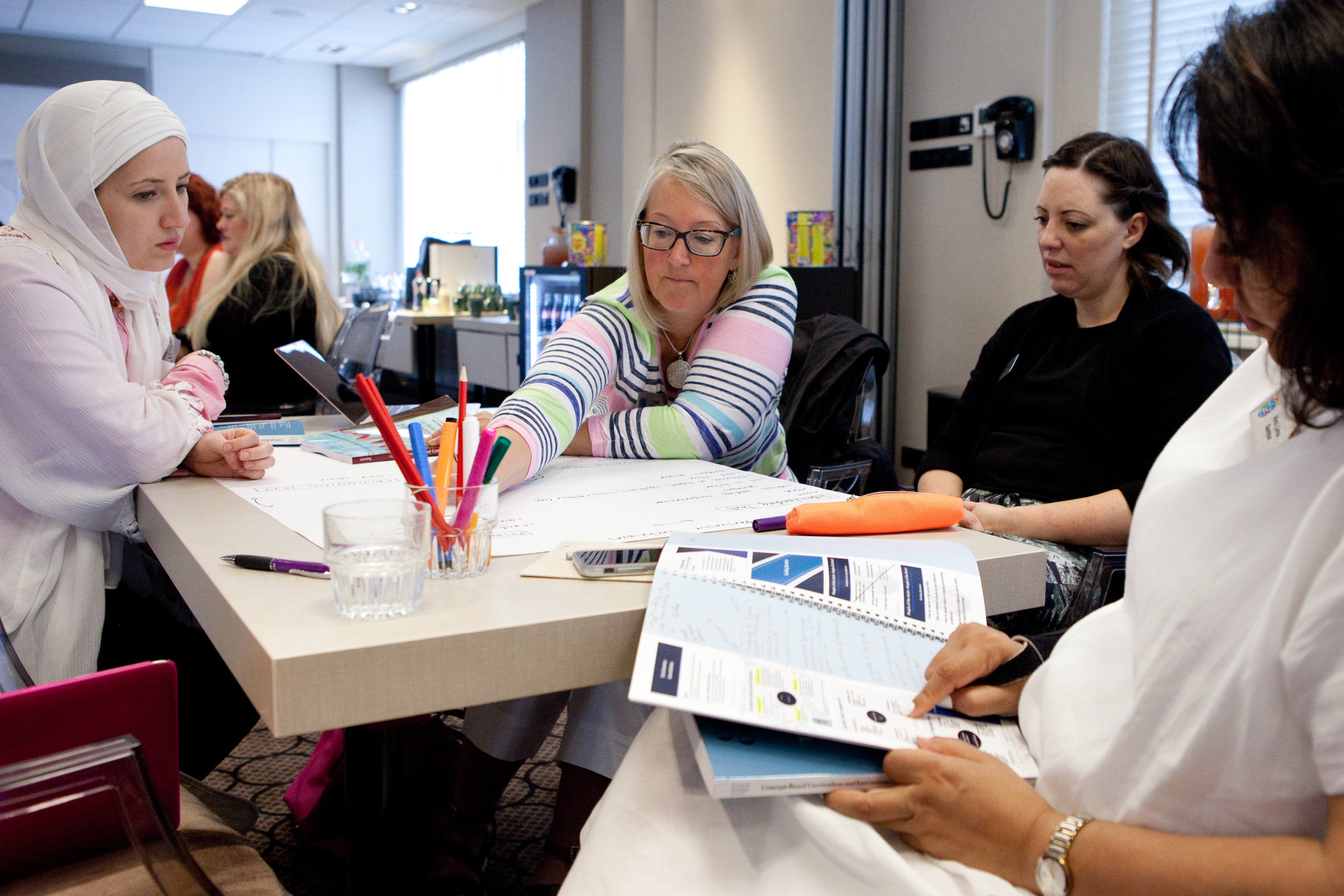
A 30-minute Q&A session designed to give participants the opportunity to explore practical questions around implementing concept-based learning within their school context.
The discussion will address challenges related to maintaining consistency across classrooms and year levels, while also considering strategies that support alignment and coherence.
Together, we will examine the role of leadership in driving and sustaining a concept-based approach, including how leaders can support teachers and foster a shared vision across the school.
Take Away
What you will take from this summit
Recognize what high-quality concept-based teaching looks like in practice
Identify the gap between planning and classroom implementation
Clarify what to look for when observing lessons
Consider what this level of practice would mean for their own context
Important Note
This session will be delivered live only and will not be recorded.
The types of classroom experiences included are typically only available within:
In-person conferences
Paid professional learning programs
Who this is designed For
PYP and MYP Coordinators
School leaders and Principals
Heads of Department and Team Leaders
Educators working in international schools implementing CBI/CBCI
In a world filled with growing complexity, your role as a facilitator of conceptual understanding has never been more pressing.
This course provides you with the tools to organize and focus student learning around concepts and conceptual relationships that support deep understanding.
Take your teaching and curriculum development to the next level
Ready to lead change in education?
If you’re working to move from planning to real classroom impact, this session will give you a clearer picture of what that looks like in practice.


Transforming education starts with you.